Discover what's at risk?
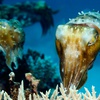
See these wonderful photos on the Discovery Channel News that celebrate the Great Barrier Reef and what's at risk with a changing climate.
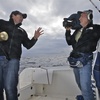
Andrew Hart knows his job blurs the line between work and play. The host of TV fishing show Hook, Line and Sinker explains why it's hard work not to love fishing for the cameras around Australia.
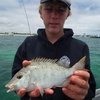
Redmap has received more than 330 sightings since its national launch five months ago. But who are "Redmappers"? They’re fishers, divers and beachgoers who send Redmap photos of uncommon marine life! Meet some of Redmap's "citizen scientists" who are mad-keen anglers (next issue: divers!).
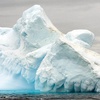
It's not just marine life that may need to migrate due to climate change. Alaska is experiencing melting permafrost, thinning sea ice and extreme storms. For the residents of Newtok exile is inevitable, writes the Guardian newspaper. Alaska has warmed twice as fast as the rest of America over the past 60 years. "Freeze-up occurs later, snow is wetter and heavier. Wildfires erupt on the tundra in the summer. Rivers rush out to the sea. Moose migrate …
It' s not just marine life that are stressed by climate change! Research indicates people in remote areas will be more susceptible to tropical diseases, mental health issues and chronic health conditions due to climate change, writes ABC news. Read the article here.
If you are thinking of starting a citizen science program - and wondering how to make it successful - then you should join this live online seminar (aka "webinar") on July 18. It will be co-hosted by Redmap founder Dr Gretta Pecl and other successful Australian citizen science program leaders.
A new analysis of ocean data collected more than 135 years ago by the crew of the HMS Challenger oceanographic expedition provides further confirmation that human activities have warmed our planet over the past century, writes NASA about the joint University of Tasmania’s Institute for Marine and Antarctic Studies and NASA project. Read the article here.
New research published in the science journal Nature has revealed the impacts of climate change on global fisheries. An analysis of fish catches and water temperatures show that ocean warming has already affected global fisheries in the past four decades, driving up the proportion of warm-water fish being caught. Read more here.
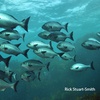
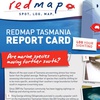
It looks like the gloomy octopus may be moving its home further south; followed by crimson banded wrasse and rock cale. Redmap has developed a ‘report card’ to assess and report potential shifts in the ranges of fish and marine species along the Tasmanian coast. And all using the observations collected by divers and fishers in Tasmania (where Redmap started 3 years ago before it launched nationally). Check out which fish may be …
"Whale sharks off Perth, irukandji jellyfish at Ningaloo Reef and humpback whales giving birth 2000km from their usual calving grounds have left biologists baffled as they investigate whether an ocean heatwave is to blame for marine life turning up in unexpected places," writes Michelle Wheeler in the West Australian. Read the full article here.