Bottoms up: how whale poop helps feed the ocean
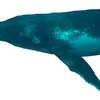
Research is discovering we need whales for a healthy marine ecosystem, or at least their poop! Read the full article in The Conversation.
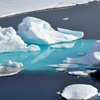
New research suggests that heat trapped by atmospheric greenhouse gases is getting buried in the Atlantic, writes National Geographic. Read the full article here.
Beachgoers on the west coast of the US have noticed an influx of a mysterious blue sea creature, Velella (also known as sea raft), writes The West Australian. Read the full article about these mass strandings associated with warm-water events.
Climate change can push species to move in order to stay in their climatic comfort zones, potentially altering where species live and how they interact, which could fundamentally transform current ecosystems, writes Science Daily. Read the full story here.
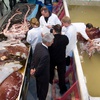
Scientists at the Te Papa museum are hoping a colossal squid now in their possession is a male - making an already rare find an extraordinary one, writes the New Zealand Herald. Read the full story here.
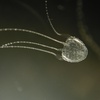
SCIENTISTS fear it is only a matter of time before deadly irukandji and box jellyfish move from northern Australia to invade Sydney Harbour as a result of climate change warming Australia’s east coast current. Read the full story here.
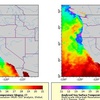
Ocean temperatures along the Central California coast experienced a "remarkable" warming period during the first three weeks of July, leading to unusual encounters with some fish species, writes the LA Times. Read the full article here.
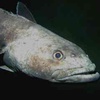
A species of Antarctic fish might be able to survive the predicted warming of its native waters over the next century if the warming is gradual enough, according to a New Zealand scientist, writes NZ Week. Read the full article here.
Scientists are drawing attention to the services provided by the deep sea, the world’s largest environment, writes Science Daily about a review published in Biogeosciences. Read the full article here.
Newly arrived species mow down vegetation and upend local communities, writes National Geographic. Read the full article here.