National News

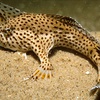
Spotted Handfish: the darlings of the Derwent

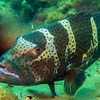
A fish that prefers to walk on its ‘hands’ rather than swim is one of the few species that has survived totally unchanged, since dinosaurs walked the earth. Fifty million years ago, handfish were found trotting across the rivers of the world, but now these shallow bottom dwellers are some of the rarest animals on Earth. The Spotted Handfish, with its unusually large overgrown pectoral fins that look like hands, …

Rapid Arctic warming drives shifts in marine mammals

Recent extremes in sea ice loss has opened new waters to humpback and fin whales that once ranged through the far north only in summer. And as climate change drives the ice into further retreat, such 'summer' species may begin competing with bowhead whales that once had the habitat to themselves. Read about this new research in Science Daily.

Citizens help study 1800s naval logs to understand modern climate change

Scientists and everyday citizens are coming together to study 1800s naval logs in bid to understand modern climate change! The maritime log books include precise measurements of longitude and latitude, weather, the location of icebergs and the edge of the ice shelf that can be compared to today's conditions. But scientists need the community's help to sieve through the information. Read more in the National Post.

WA's manta mysteries to be solved

WHEN manta rays (Mobulidae) are sighted along Broome’s beautiful coast, there’s always great excitement and sharing of photos on social media. So a presentation by manta ray researchers visiting Broome brought manta fans out in droves. Read more at Science Network WA.

Dugong sighting in southern NSW!

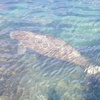
The usually tropical loving dugong is more at home in warm Queensland waters - but Redmap volunteer Michael Standen spotted this one in southern NSW. See his sighting here

Change in Australia's plankton population as climate changes

Australia's plankton population, a vital key in the human food chain, has moved 300 kilometres south in 30 years, new research has found. Scientists attributed the shift to the warming oceans caused by climate change. In some regions there was also a shift from cold-water to warm-water plankton species. Read about this new research in ABC News.

Call for snorkellers, divers to join citizen science project

YOU can do it reef walking, snorkelling or scuba diving. It is a great way to spend your holidays, and you can help save the world's coral reefs in the process. The University of Queensland's CoralWatch citizen science project contributes to important research projects designed to help manage and save coral reefs from the impacts of humans and climate change. Read more in The Sunshine Coast Daily.

Page 18 of 51

Redmap is funded by

Lead institutes