Redmap May newsletter 2015
This edition reviews Redmap's community observations, including the Top 3 sightings per state. Also, check out the interviews with Redmap members and other marine news! Read the May newsletter.

This edition reviews Redmap's community observations, including the Top 3 sightings per state. Also, check out the interviews with Redmap members and other marine news! Read the May newsletter.
Australian fishers, divers and beachcombers have shared on Redmap more than 1270 sightings of marine life they considered uncommon to their local seas. More than a quarter of the confirmed sightings were out of their usual home range; and many more were valuable observations of elusive or poorly-documented species. And, divers appeared to be the most enthusiastic reporters to Redmap! Here is a snapshot of Redmap's citizen science data, including …
A changing climate and strengthening East Australian Current mean the east coast of Tasmania is a ‘hotspot’, with seas warming almost four times the global average. So it’s no surprise that warmer-water fish are turning up further south than usual. And often to the delight of Tassie fishers!
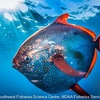
The large and colourful opah has become the first known "warm-blooded" fish, as scientists discovered it can regulate the temperature of its whole body, writes BBC News. Read the full story here.
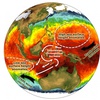
The ocean has seen an unprecedented rise in heat content over the past decade due to a transfer of heat from Pacific Ocean- read about this new study in The Guardian.
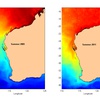
El Niño is here and could offer welcome respite to Western Australia's record-breaking high ocean temperatures. Read more from this CSIRO ECOS blog.

An early rise in ocean temperatures and subsequent concerns about increased toxicity caused Washington to close its digging seasons, writes The Oregonian. Read the full story here.
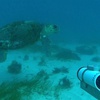
Science Daily writes: Fifty miles out to sea from San Diego, in the middle of April, under a perfectly clear blue sky, fisheries scientists leaned over the side of a rubber inflatable boat and lowered a juvenile loggerhead sea turtle into the water. That turtle was a trailblazer -- the first of its kind ever released off the West Coast of the United States with a satellite transmitter attached. Read …
Coral reefs around the world are adapting to climate change, according to the latest data from a study by the France-based Institute for Development Research (IRD), writes SciDev.Net. Read the full story here.
Studies find West Antarctica’s ice sheet is melting fast. But a new look at the ancient past suggests it once pushed sea levels up by three metres, writes the Guardian. Read the full story here.