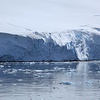
Antarctic peninsula temperatures have fallen, study shows
Scientists said cooling of tip over past 15 years is related to wind patterns, but does not mean that global warming has stopped, says The Guardian.

Scientists said cooling of tip over past 15 years is related to wind patterns, but does not mean that global warming has stopped, says The Guardian.
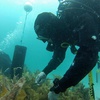
If it’s not able to recover, a dead coral reef will collapse into a seaweed forest, writes Caitlin Martin Newnham. Read the full story in Hakai Magazine.
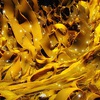
About 90% of forests off the western coast were wiped out between 2011 to 2013, posing a threat to biodiversity and the marine economy, say scientists. Read more in The Guardian.

Gretta Pecl, Redmap founder and IMAS researcher, was interviewed on the Cellophane Blog about the importance of communicating science to the community.
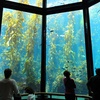
While the world panics about the Great Barrier Reef, an even larger and more valuable habitat is collapsing under our noses, says The Atlantic. Read how marine heat waves are devastating kelp forests in Australia's Great Southern Reef, including an interview with Redmap founder Gretta Pecl!
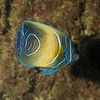
Which fish and marine critters made Redmap's Top 3 sightings list in each state? Find out in the Winter 2016 Redmap newsletter. Also in this edition: read about a Redmap scientist, a seaslug lover, and Redmap's most southern sighting!
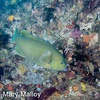
The redthroat emperor, eastern rock lobster and western blue groper all made it onto Redmap's Top 3 lists. Here is a snapshot of Redmap's community data.
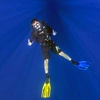
Obsessed diver, sea slug guru, unlucky fisherman (of mainly toadfish): meet marine biologist Dr David Harasti. He verifies many of the community sightings logged on Redmap in NSW. How did this landlubber from Canberra – who spent his youth fishing for carp in lakes – become a marine biologist and underwater photographer?
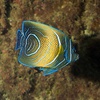
Check out this beautiful sighting of Pomacanthus semicirculatus (blue angelfish) spotted south of Perth, WA, by diver Alexandra Hoschke. The fish was found much further south than its usual home range.
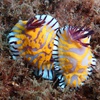
Sea slug lover, octopus wrestler and shark-shield convert: Naomi Arrowsmith is one interesting diver! And she's recorded some amazing photos on Redmap.org.au