Tasmanian News

Salty stories from "Redmappers"

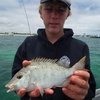
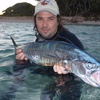
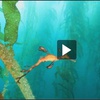
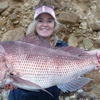
Redmap has received more than 330 sightings since its national launch five months ago.  But who are "Redmappers"? They’re fishers, divers and beachgoers who send Redmap photos of uncommon marine life! Meet some of Redmap's "citizen scientists" who are mad-keen anglers (next issue: divers!).

Climate change and tropical fisheries

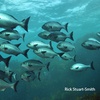
How does climate change impact tropical fisheries in northern Australia? That's the question leading a three-year research project by the Fisheries Research and Development Corporation (FRDC).  Using existing data, the study is reviewing how warming seas affect important tropical fish species like Barramundi, Spanish mackerel and coral trout. 

How to set up a citizen science program: webinar

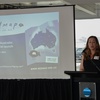
If you are thinking of starting a citizen science program - and wondering how to make it successful - then you should join this live online seminar (aka "webinar") on July 18. It will be co-hosted by Redmap founder Dr Gretta Pecl and other successful Australian citizen science program leaders.

Fisheries feel the heat around the globe

New research published in the science journal Nature has revealed the impacts of climate change on global fisheries.  An analysis of fish catches and water temperatures show that ocean warming has already affected global fisheries in the past four decades, driving up the proportion of warm-water fish being caught. Read more here.  

Redmap Tasmania Report Card released!

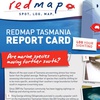
It looks like the gloomy octopus may be moving its home further south; followed by crimson banded wrasse and rock cale. Redmap has developed a ‘report card’ to assess and report potential shifts in the ranges of fish and marine species along the Tasmanian coast. And all using the observations collected by divers and fishers in Tasmania (where Redmap started 3 years ago before it launched nationally). Check out which fish may be …

Redmap and IMAS at Seafest

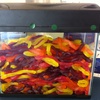
Redmap was part of this year's Seafest in Triabunna, a festival about all things marine. The Redmap and IMAS stands attracted hundreds of people curious about the project. Kids were drawn to our table to guess the number of lolly snakes in a fish tank (there were 448!). And 120 people answered the IMAS-Redmap quiz to go in the draw for an ipad.

Citizen science goes high tech

Mobile technology is enabling people to become productive in ways they never thought possible and recently the scientific community has been looking to tap into that productivity by enlisting citizen scientists, writes Brett Smith for redOrbit.com. Read the full article here.

Page 18 of 20

Regional funding bodies

Regional supporters