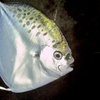
Family's fishy find
A family stumbled across a 1.2m moonfish on Circular Head beach, writes The Advocate. This fish is not common in Bass Strait and likely strayed from the Indian or Great Southern Ocean. Read the full story here.

A family stumbled across a 1.2m moonfish on Circular Head beach, writes The Advocate. This fish is not common in Bass Strait and likely strayed from the Indian or Great Southern Ocean. Read the full story here.

CSIRO scientists have to classify a new species of giant jellyfish after a family discovered a 1.5m unknown jelly species washed up on a beach south of Hobart, writes ABC News Online. Read the full story here.

The world's largest ray species - usually found in warmer waters - has been spotted in Tasmania and logged on Redmap, writes The Mercury newspaper. Read the full story here.
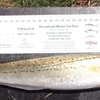
A small increase in sea temperatures has led to a dramatic decrease in the size of fish, writes the Daily Mail. Scientists have found that some North Sea species -including haddock, whiting, herring and sole- have decreased in body length by almost a third over 38 years. Read the full Daily Mail story here.
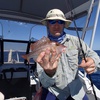
The warty prowfish, sooty grunter and moorish idol all made it on the list (and not because of their unusual names!). Check out the Top 3 sightings submitted to Redmap in each state.
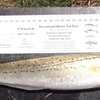
It's one of the finest eating fish in the sea and research into the movements of King George whiting is suggesting the species may be spawning in Tasmania, writes ABC Northern Tasmania. Read the full story here.
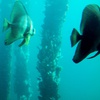
As ocean temperatures rise off Western Australia, sub-tropical fish are swimming south and many are staying there, writes ABC news. Read the interview with research scientist and Redmap WA coordinator Dr Gary Jackson here.
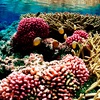
Another reason to protect our oceans: they may help us medically! Science Daily writes: sea coral could soon be used more extensively in bone grafting procedures thanks to new research that has refined the material's properties and made it more compatible with natural bone. Read the full article here.
Global warming is causing a silent storm in the oceans by acidifying waters at a record rate, threatening marine life from coral reefs to fish stocks, writes The Sydney Morning Herald. Read the full article here.