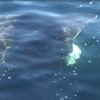
Basking Shark observed off eastern Tasmania
Although within the known distribution for this species, observations of Basking Sharks in the wild are quite rare...

Although within the known distribution for this species, observations of Basking Sharks in the wild are quite rare...
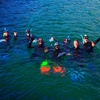
Redmap is offering one scholarship to a student to study the new Marine Biology unit XAS101 A Practical Introduction to Temperate Marine Biology offered as part of the University of Tasmania College Program.
This edition celebrates citizen science and Redmap's community observations! Noteworthy observations include a once-in-a-Century jellyfish sighting, a giant squid and dolphinfish. Also, we need your help if you live in WA: become a Redmap WA Champion! And high school students may be interested in a new marine biology course offered by the Institute for Marine and Antarctic Studies. Read the latest Redmap news.
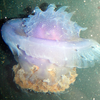
The jellyfish Cephea cephea was spotted only once before in Australia: almost 100 years ago in Queensland. Then 14-year old diver and marine enthusiast Georgia Poyner collected this rarely-seen jelly in southern NSW and logged her sighting on Redmap!
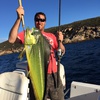
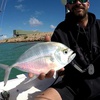
Some unusual catches are being logged on Redmap, writes Yvette Barry in Fishing World. Check out this dolphinfish that was caught in southern Western Australia! Read the full story here.

Tassie marine-lovers: octopus spotters are required! If you're a diver or maybe a recreational lobster fisher in Tasmania please let us know if you see the Maori octopus (Octopus maorum) anywhere in Tasmanian seas!

To kick off National Science Week Hobart is hosting the inaugural Festival of Bright Ideas this Saturday (15th August) at Salamanca. Come and find the Redmap stall and have a chat to us! The Festival showcases Tasmania's innovative science and engineering programs and ideas. More information here.

Citizen Science in Australia recognised today as a major contributor to our knowledge through the release of an Occasional Paper from the Office of Chief Scientist of Australia - authored by Redmap founder Gretta Pecl and three other very passionate champions of citizen science in Australia.
Marine species that already have large ranges are extending their territories fastest in response to climate change, according to new research from University of British Columbia and biodiversity experts from around the world (including IMAS scientists!). The study is one of the first comprehensive looks at how traits--other than thermal niche--impact marine animals' ability to respond to climate change. It could help improve global predictions of how different species redistribute …
Marine species that already roam far and wide throughout our oceans are extending their territories further and faster in response to climate change, according to new research involving the University of Southampton and an international team of biodiversity experts. Read more about this story here.