Code Red: announcing Redmap's video comp winners!
And the winners of the 2014 Redmap video competition are.....

And the winners of the 2014 Redmap video competition are.....

Watch these 35 fantastic entries into the Redmap video competition! Redmap asked Australians to make a 45-second video about Redmap and ocean warming. We received every type of video from mocumentaries to skits, animations, interviews and wonderful underwater footage.
Scientists from NASA and the University of California Irvine are warning that a group of melting glaciers in West Antarctica appear to have reached the point of no return, writes ABC's The World Today. Professor Eric Rignot talks to ABC radio about the 20 years of satellite data that maps the retreat of the glaciers. Read more here.
Make a 45-sec video about Redmap and raise awareness of ocean warming. There are $5,000 in cash prizes to be won! Anyone can enter and any style of video is welcome. So get on your creative caps and submit your 45-sec video by 1 May 2014! See competition details here.
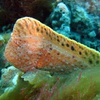
This edition covers Redmap's video competition, our oddest-looking sightings (like warty prowfish and yellow sea slugs), and other marine news. Read it here.
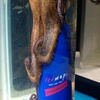
A yellow sea slug, warty prowfish and roundbelly cowfish all made it onto Redmap’s Top 6 Oddest Sightings. Check out this completely subjective list – and what the scientists have to say about them.

Rapid climate change may drive fish from the equator, say Australian scientists at James Cook University in UPI. Read the full article here.

Queensland researchers say rising carbon dioxide levels are causing worsening health effects for fish living on the Great Barrier Reef, writes ABC's PM program. Read and listen to the story here.

The world's largest ray species - usually found in warmer waters - has been spotted in Tasmania and logged on Redmap, writes The Mercury newspaper. Read the full story here.
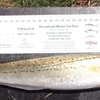
A small increase in sea temperatures has led to a dramatic decrease in the size of fish, writes the Daily Mail. Scientists have found that some North Sea species -including haddock, whiting, herring and sole- have decreased in body length by almost a third over 38 years. Read the full Daily Mail story here.