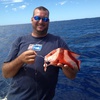
Warm water manta ray in Tassie!
The world's largest ray species - usually found in warmer waters - has been spotted in Tasmania and logged on Redmap, writes The Mercury newspaper. Read the full story here.

The world's largest ray species - usually found in warmer waters - has been spotted in Tasmania and logged on Redmap, writes The Mercury newspaper. Read the full story here.

Journalist Emma Carmichael takes a look at the citizen science behind Redmap. She interviewed Redmap's Dr Gretta Pecl and Victorian diver and Redmap member Mary Malloy. Read and listen to the interview here.
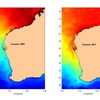
Australian and Indian scientists have teamed up to study marine heatwaves using high-tech robotic floats, writes the Sydney Morning Herald. Read the full story here.
Western Australia has had its fair share of unusual sightings along the coast but could a dugong be part of the tropical menagerie enjoying our warmer waters?
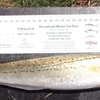
A small increase in sea temperatures has led to a dramatic decrease in the size of fish, writes the Daily Mail. Scientists have found that some North Sea species -including haddock, whiting, herring and sole- have decreased in body length by almost a third over 38 years. Read the full Daily Mail story here.
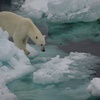
New research suggests that some polar bears are switching prey and eating a mixed diet of plants and animals to survive their changing environment, writes Science Daily. Read the full article here.
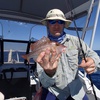
The warty prowfish, sooty grunter and moorish idol all made it on the list (and not because of their unusual names!). Check out the Top 3 sightings submitted to Redmap in each state.
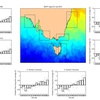
Ever wondered how climate change will impact the seas off the coast of NSW? Here's an excellent fact sheet that clearly explains some of the ways climate change may impact NSW seas and marine ecosystems.
Ever wondered how South Australian seas may be impacted by climate change? Here's an excellent fact sheet that quickly and clearly explains how climate change may impact South Australian seas and marine species.