
Climate models accurately predicted global warming
A new study shows that when synchronized with El Niño/La Niña cycles, climate models accurately predict global surface warming, writes The Guardian newspaper. Read the full story here.


A new study shows that when synchronized with El Niño/La Niña cycles, climate models accurately predict global surface warming, writes The Guardian newspaper. Read the full story here.
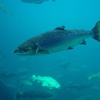
Atlantic salmon have a surprisingly good capacity to adjust to warmer temperatures that are being seen with climate change, a group of scientists at the University of Oslo and University of British Columbia have discovered, writes Science Daily. Read the full story here.

This edition covers some quirky fish facts, reveals the winners of the Redmap video competition, a news story with Redmap founder Dr Gretta Pecl and other marine news! Read the July newsletter here.

New research shows there’s been a rapid increase in the numbers of fish caught in the Tropics, raising questions about environmental impacts and the sustainability of the crucial resource. Read the James Cook University article here.

CLIMATE change and illegal fishing are the biggest threats to the Geelong region’s two marine national parks, a report has found. Read the full article in the Geelong Advertiser here.
Read how some Victorian fisheries could be impacted by ocean warming and a strengthening East Australian Current in this NCCARF information sheet.

Plant-eating tropical fish species are causing serious damage to algae and kelp forests in sub-tropical and temperate regions around the world, an international team of experts warn - writes ABC Science. Read the full story about the University of NSW study here.

Lat year Redmap received a series of rather peculiar reports in Western Australia. Beach goers along the south coast stumbled across not one but five enormous, yet stranded blue marlin. With winter upon us once again, should people be on the lookout for similar occurrences this year?
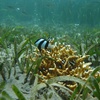
A James Cook University study found that fish in the wild respond adversely to ocean acidification. Read the full story here.

Urchin eggs, or roe, are considered a delicacy in many countries. But harvesting Tasmania's pest urchins may wield more than fine dining around the world. Since 2009, commercial fishermen have harvested 600,000 urchins off north-eastern Tasmania. Will this industry help to control urchin populations from devastating Tasmania's reef ecosystems into unproductive ‘barrens’? A three year study at the Institute for Marine and Antarctic Studies (IMAS) will determine the effectiveness of …