Northern Territroy News

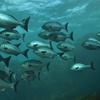
Fish babies in hot water

Rising ocean temperatures slow the development of baby fish around the equator, scientists have found, raising concerns about the impact of global warming on fish and fisheries in the tropics, writes Science Daily. Read the full story here.

Engaging the disengaged with Science

The CSIRO writes: Would you consider yourself a big fan of science? Or are you a little more cautious in how you spread the science-love? We asked a fair number of Australians this question, and about 51 per cent identified as falling into one of these two categories. This means that almost half of our neighbours, colleagues, and friends are concerned, disengaged or generally wary of science and technology. …

A beautiful garden in the sea

Deep below the waves, photographer Ian Wallace discovers a beautiful world of seaweed gardens that few people get to see, writes ABC Science. See his amazing images here.

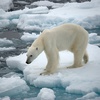
First global review on the status, future of Arctic marine mammals

For Arctic marine mammals, the future is especially uncertain. Loss of sea ice and warming temperatures are shifting already fragile Northern ecosystems, writes Science Daily. The precarious state of those mammals is underscored in a multinational study led by a University of Washington scientist, published this week in Conservation Biology, assessing the status of all circumpolar species and subpopulations of Arctic marine mammals, including seals, whales and polar bears. …

Beachcombers, water babies sought for marine survey

Beachcombers and water babies have been asked to help researchers design a marine citizen scientist project, writes the Moruya Examiner. A national survey was launched to improve how people power is used in coastal science - read about it here.

Marine changes are shared experiences

Local, lived experiences add value to the science documenting changes in our marine environments, says researcher Gretta Pecl, supporting better decisions for the future of our fisheries.  Read about Dr Pecl's research, life, and Redmap on the FRDC website.

Q&As: The Science of Climate Change

Want to know more about climate change but not sure where to start looking for info? Then this easy-to-read booklet (by the Australian Academy of Science) answers many questions surrounding climate change in Australia. Get some answers here!

Page 37 of 61

Regional funding bodies

Regional supporters