Warm water manta ray in Tassie!
The world's largest ray species - usually found in warmer waters - has been spotted in Tasmania and logged on Redmap, writes The Mercury newspaper. Read the full story here.

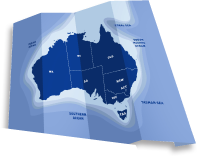
The world's largest ray species - usually found in warmer waters - has been spotted in Tasmania and logged on Redmap, writes The Mercury newspaper. Read the full story here.
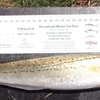
A small increase in sea temperatures has led to a dramatic decrease in the size of fish, writes the Daily Mail. Scientists have found that some North Sea species -including haddock, whiting, herring and sole- have decreased in body length by almost a third over 38 years. Read the full Daily Mail story here.
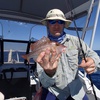
The warty prowfish, sooty grunter and moorish idol all made it on the list (and not because of their unusual names!). Check out the Top 3 sightings submitted to Redmap in each state.
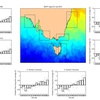
Ever wondered how climate change will impact the seas off the coast of NSW? Here's an excellent fact sheet that clearly explains some of the ways climate change may impact NSW seas and marine ecosystems.
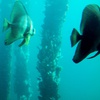
As ocean temperatures rise off Western Australia, sub-tropical fish are swimming south and many are staying there, writes ABC news. Read the interview with research scientist and Redmap WA coordinator Dr Gary Jackson here.
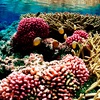
Another reason to protect our oceans: they may help us medically! Science Daily writes: sea coral could soon be used more extensively in bone grafting procedures thanks to new research that has refined the material's properties and made it more compatible with natural bone. Read the full article here.
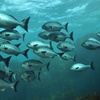
Global warming is causing a silent storm in the oceans by acidifying waters at a record rate, threatening marine life from coral reefs to fish stocks, writes The Sydney Morning Herald. Read the full article here.
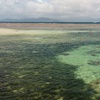
It's not all doom and gloom in the oceans! New research shows seagrass, mangroves and salt-marsh ecosystems can adapt to and help mitigate climate change impacts. Defences include being major CO2 sinks, dissipating waves and reducing coastal erosion, according to the University of WA. Read more.

Redmap has launched a free phone application to complement our website!