A wave of change with sea temperature rise
The Advocate newspaper writes about a "wave of change with sea temperature rise" in Tasmanian waters and interviews Redmap founder Dr Gretta Pecl. Read more here.
Marine species around Australia are starting to change their marine postcodes as coastal waters become warmer, writes Redmap NSW manager Assoc Prof Natalie Moltschaniwskyj in the Newcastle Herald. Read the article here.
Divers and fishermen along Tasmania's East Coast have started to find green rock lobsters, writes the Mercury newspaper. This species is more common in mainland waters but has been reported on Redmap Tasmania, says Dr Gretta Pecl. Read the full article here.
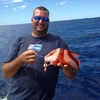
This red emperor was spotted near Geraldton in WA, south of its usual range, by Redmap member Jon Jarvis. Australian fishers and divers have logged over 100 marine critters since Redmap Australia launched in mid-December! See some recent sightings around the country here.
THE latest effect of ocean warming may be the arrival of tropical jellyfish into Tasmanian waters, writes the Mercury newspaper. Read the article here.
A record ocean heatwave off WA's coast has decimated a seaweed that provides vital habitat for a web of marine species, reports the University of Western Australia. Read more here.
The east coast of Australia is a warming "hotspot" and marine ecosystems are feeling the heat, writes ABC environmental reporter Sarah Clarke. Read the article here: Fish in hot water as climate changes.
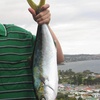
The Advocate newspaper reported the catch of a 1.5 m butterfly mackerel near Devonport in northern Tasmania. This impressive fish is not commonly hooked in these waters. Read the article here.
How reliable is citizen science data? Pretty good, according to theconversation.edu.au (but Redmappers already knew this!). Read the article here: Citizen science can produce reliable data
The dangerous irukandji jellyfish is not usually found as far south as Fraser Island, Queensland. Yet six people have been hospitalised after irukandji stings on Fraser Island beaches over the past few weeks. ABC radio's PM team explore if warmer temperatures have anything to do with this: Heatwave causing massive jellyfish blooms.