
Redmap: Sea life on the move
Read about Redmap and some of our interesting sightings in the latest OCEANWATCH newsletter (page 7).

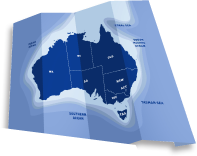
Read about Redmap and some of our interesting sightings in the latest OCEANWATCH newsletter (page 7).

The UK's chief scientist says the oceans face a serious and growing risk from man-made carbon emissions, writes BBC News: Sir Mark Walport warns that the acidity of the oceans has increased by about 25% since the industrial revolution, mainly thanks to manmade emissions. Read the full article here.
A half-a-million-dollar study on coastal communities dealing with the effects of climate change is being carried out by UTAS Institute for Marine and Antarctic Studies (IMAS), the CSIRO, and Murdoch University.
Dr Stewart Frusher from IMAS, who was leading the project, said St Helens in Tasmania, Bowen in North Queensland, and Geraldton in Western Australia were chosen for the study, which involved members of the community and professional fishermen.
Dr …

AUSTRALIA'S coastal towns, many built around fisheries and tourism, are particularly vulnerable to climate change, writes Stewart Frusher in The Conversation. A new website Coastal Climate Blueprint scores coastal towns on their vulnerability to climate change. Read the full article here.

Ocean temperatures are again warming in the Pacific, helping to drive global temperatures to new highs and also leaving conditions primed for an El Nino event to be declared in coming months, writes the Sydney Morning Herald. Read the full story here.

SPECIES of fish, coral and other invertebrates are moving south along the West Australian coastline as a result of warmer sea currents, driving ecological change, writes Science Network WA. Read the full story here.

Large numbers of fish will disappear from the tropics by 2050, finds a new University of British Columbia study that examined the impact of climate change on fish stocks, reports Science Daily. Read the full story here.
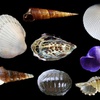
Snails aren’t best known for moving at anything faster than, well, a snail’s pace. Yet out in the oceans, a seismic shift in the ranges of species seems to be gathering pace, with snails and their relatives at the vanguard.
This edition reviews the Redmap data - including the Top 10 species logged on Redmap! Also read about molluscs on the move, the tropicalisation of Sydney Harbour and amusing names given to fish. Read the October Redmap newsletter.

The Giant Australian cuttlefish (Sepia apama) is one of the largest cuttlefish in the world, and can reach up to 60cm in length and 5kg. They occur across southern Australia but aggregate to breed near Point Lowly, in the Spencer Gulf, SA. This is the giant cuttlefish's only known breeding aggregation in the world. But numbers were declining over recent years and scientists were not sure why. Researchers …