
Atlas of Life in the Coastal Wilderness
The Atlas of Life in the Marine Wilderness asks the community to record their local marine species diversity in order to monitor the seasonal and annual changes in marine species diversity. Read more here.

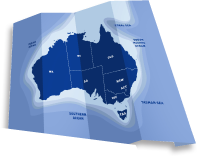
The Atlas of Life in the Marine Wilderness asks the community to record their local marine species diversity in order to monitor the seasonal and annual changes in marine species diversity. Read more here.
Fancy yourself a bit of an artist? Check out the latest Redmap marine design competition.... (Closes November 5th 2015)
Why is it important to get to know whales as individuals? Ted Cheeseman, of Antarctic tour operators Cheeseman’s Ecology Safaris, says: “Like most large whale species, humpbacks were heavily exploited by whaling throughout their range, but happily most populations have rebounded since receiving protection in the 1970's. The primary method through which this recovery is being measured is photo-identification, where the sighting histories of individually-recognizable individuals are used to estimate …
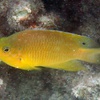
THE Ambon damsel (Pomacentrus amboinensis) have been found to need exposure to the natural environment to develop the ultraviolet (UV) facial markings reef fish use as a covert communication system to potentially avoid predators. Read more at Science Network Western Australia.
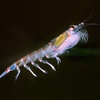
One of Australia’s key research focuses is the impact climate change is having on the cornerstone of the Antarctic marine ecosystem — krill. They are the world’s most abundant crustacean and form the staple diet of many animals, including seals, whales, fish, squid, penguins and other seabirds. Any threat to krill is a threat to the entire marine system. Read the full article at The Mercury.
Young East Coast fish are making moves to cooler waters, and researchers say that could mean changes for regional stock assessments. Read more in Scientific American.
A University of Queensland scientist is calling for volunteer divers to photograph the underside of manta rays in waters off the Western Australian coastline and upload them to Facebook as part of a research project. Read more at UQ News.
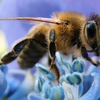
The University of Sussex has launched The Buzz Club asking people in the UK to become citizen scientists and track insects in their gardens. The project aims to explore the decline in bee numbers. More info here.
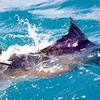
Western Australian recreational fishers continue to help scientists collect valuable information on species they catch...
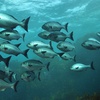
When it comes to helping each other out, it turns out that some fish are better at it than one might imagine. Read more in Science Daily.