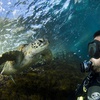
QLD study: Marine species will battle for survival as climate changes
Warming seas and the migration of species will change the marine environment on our doorstep, according to Queensland researchers. Read more in the Sunshine Coast Daily.

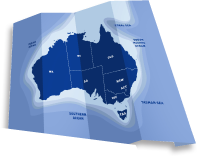
Warming seas and the migration of species will change the marine environment on our doorstep, according to Queensland researchers. Read more in the Sunshine Coast Daily.
A Gold Coast marine biologist is harnessing the power of social media in a bid to turn everyone into a citizen scientist. Facebook page Humpbacks and High-Rises (HHR) may only have just over 1,000 followers, but almost every one of those followers is engaging in whale watching research and conservation. Read more at The Brisbane Times.
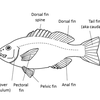
Some notes on how to identify fishes...

Watch this video of science in action at the Institute for Marine and Antarctic Studies (IMAS) (which is part of the University of Tasmania).
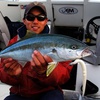
Keen Victorian anglers can help with a major study on Yellowtail Kingfish populations by donating frames and keeping records of their catches this summer. Scientists will extract otoliths (ear bones) from kingfish frames to determine their age! Read more...
The 2015-16 Recreational Sea Fishing Guide is out now. Pick up a copy now from Service Tasmania shops, tackle shops or read it online.

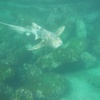
Fisher education can help protect vulnerable shark populations, a new study has found. The research showed that recreational anglers were more supportive of shark management and conservation if they had prior knowledge of shark conservation. Read the full story in Science Daily.
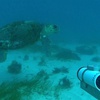
Check out another great citizen science project: Reef Watch. Reef Watch in South Australia provides free training to community volunteers to monitor temperate marine environments using non-destructive, internationally recognised techniques. Volunteers generate valuable scientific data that informs adaptive management for conservation of the marine environment. Read more here.
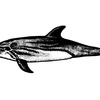
DOLPHIN WATCH in WA gathers community observations of one of the Swan Canning Riverpark’s most iconic species: the Indo-Pacific bottlenose dolphin (Tursiops aduncus). Read about this fantastic citizen science project at Science Network WA.